Use case: How a data management plan supported the BONEGEL project
Use case: How a data management plan supported the BONEGEL project
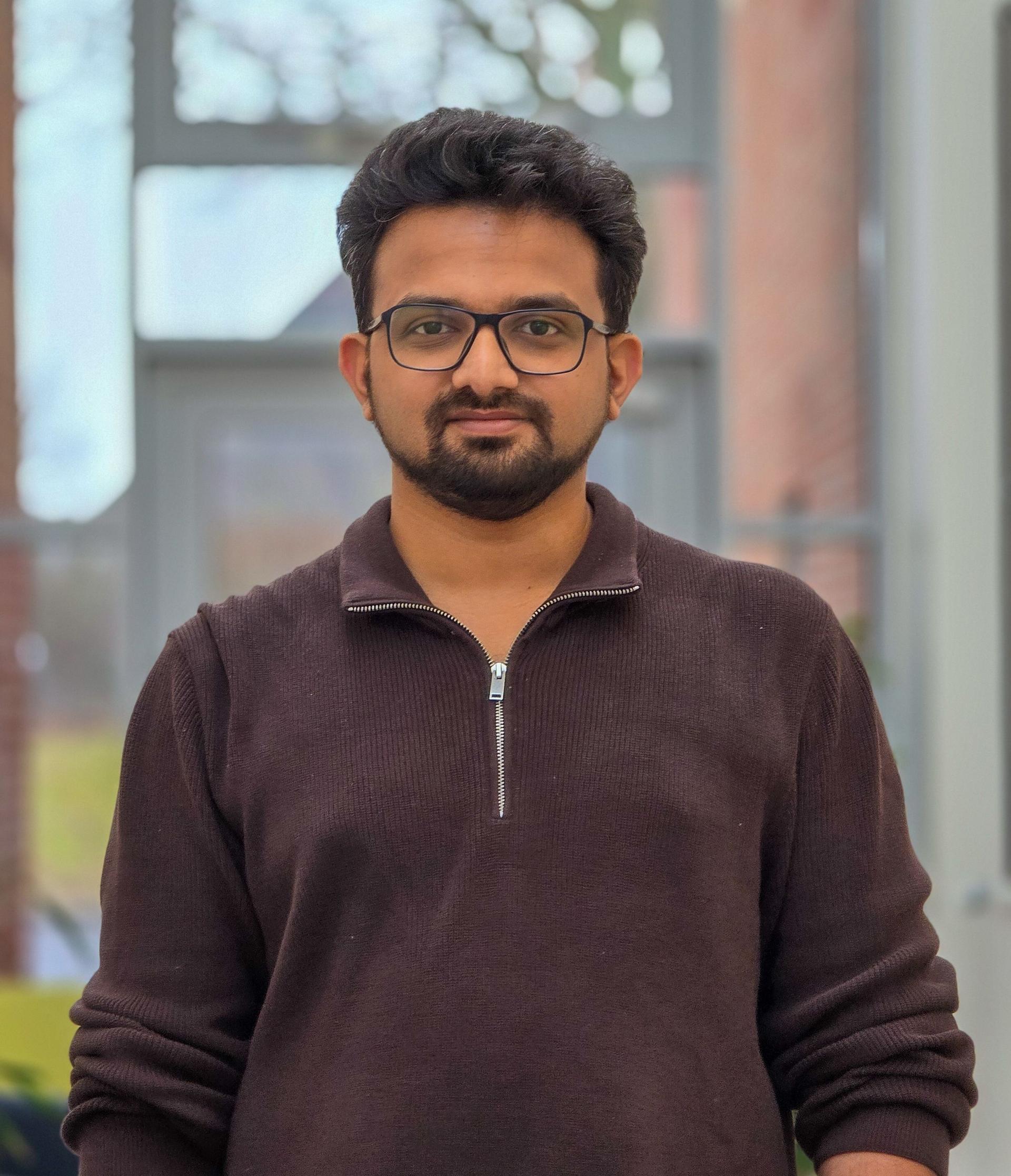
Sharun Khan is a postdoctoral researcher at the Department of Health Science and Technology at Aalborg University. Sharun’s research focuses on regenerative medicine with an emphasis on bone regeneration. The BONEGEL project involves experimental research methods, making structured and responsible data management an important foundation for the project.
As part of his Marie Skłodowska-Curie Actions (MSCA) postdoctoral project, BONEGEL, he developed a data management plan (DMP).
A DMP describes how research data is handled throughout the entire research project – from data generation and processing to storage, documentation, and sharing. Initially, Sharun approached the DMP primarily as a formal requirement. However, as he worked through the process, his perspective changed:
At first, I saw the DMP as more of a requirement, but going through the process really helped me think through how I manage and organize my data. It made day-to-day work smoother and reduced a lot of uncertainty around storage and documentation.
Developing the DMP for the BONEGEL project helped Sharun gain a structured overview of the project’s data from the very beginning. By mapping out how different types of data are generated, processed, and stored, the DMP clarified the overall research workflow and strengthened the project structure. It also helped identify potential challenges early on and ensured that data handling aligned with FAIR data principles.
“Working on the DMP for the BONEGEL project was actually more useful than I initially expected. It helped me get a clear overview of all the different types of data we generate and how they connect, which made the project feel much more structured from the beginning. Developing the DMP helped me structure the entire data lifecycle – from generation to storage and sharing. It provided clarity on workflows, improved collaboration within the team, and ensured compliance with FAIR data principles from the start.”
Beyond supporting daily research activities, the DMP also played an important role in strengthening the MSCA funding application. Increasingly, DMPs are becoming a formal requirement in research funding calls, and Sharun experienced this firsthand.
“Working on the DMP also helped strengthen the MSCA proposal, as it showed a clear plan for handling data responsibly.”
Looking back, Sharun highlights clarity as the most significant benefit of working with a DMP:
For me, the biggest benefit of the DMP was clarity. It helped define where data goes, how it’s handled, and who is responsible, which made the whole research process more efficient.
Get support with your data management plan
At CLAAUDIA, we support researchers at Aalborg University with both practical guidance and feedback throughout the data management planning (DMP) process.
For all questions and requests, please contact us through the service portal here.