Use case: How a data management plan supported better overview in clinical research
Use case: How a data management plan supported better overview in clinical research
Health research often involves sensitive data, clinical workflows and many practical decisions about how data should be collected, stored, documented and used throughout a project.
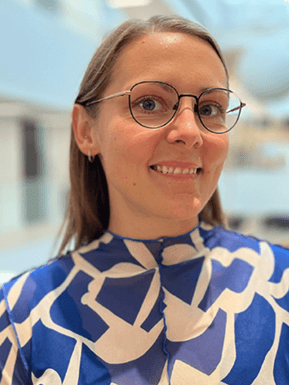
For Malene Bruun, PhD fellow at the at the Center for General Practice at Aalborg University, working with a data management plan became a way to create a clearer overview of these decisions early in her PhD project.
A data management plan (DMP) describes how research data will be collected, stored, documented, protected and potentially shared throughout a research project.
Malene's research focuses on how treatment for Greater Trochanteric Pain Syndrome (GTPS) can be improved in general practice. More specifically, she explores how simple, home-based treatments can help more patients manage their pain effectively, without the need for repeated clinic visits or specialist care. The aim is to help more patients access effective treatment earlier in their pain trajectory and potentially reduce the duration of symptoms.
As part of her PhD project, Malene also works with clinical trials and health-related research data. This makes documentation, storage and responsible handling of data important parts of the project from the beginning.
From administrative task to practical value
When Malene was first introduced to the idea of making a DMP, she primarily saw it as an administrative task. However, as she began working with the plan, she was positively surprised by the practical value it created for her project.
The data management plan helped her make the data-related parts of her project more concrete and gave her a clearer overview of what needed to be considered.
Working with a DMP helped clarify the types of data I collect. It was also really useful to get sparring on how to store and preserve the data, so they can later be used for data processing. I also see the potential in how it can help ensure good documentation, support the structure of a project and reduce the risk of losing important data.
As a DMP was recommended at her workplace, Malene participated in CLAAUDIA’s PhD course on data management, where participants are introduced to DMPs and begin working on their own plan during the course.
Getting the overview and getting started was a great help. It helped me write down the most important information about my data and made it easier to continue working on the plan afterwards.
Creating consistency across projects
Malene also sees a broader value in making DMPs more widely used in research environments. In her view, DMPs could help create more internal consistency and reduce unnecessary “detective work” later on, because information about data would be easier to find and understand across projects.
For Malene, the experience of working with a DMP has also influenced how she wants to approach future research projects: