Publish final research data

Publish final research data
Publishing research data means making data available so it can be found, understood, cited and potentially reused.
This is relevant regardless of the type of data you work with. Even if your data cannot be openly published, for example because it contains sensitive information, there may still be steps you can take to make it more transparent, well documented and reusable under the right conditions.
By publishing or sharing your data responsibly, you can increase the value of your work and support transparency, collaboration and new research. This is closely connected to the FAIR Principles, which are part of good practice in data management and focus on making data Findable, Accessible, Interoperable and Reusable.
Benefits of data publication
- Career benefits: Data publication may lead to increased visibility, reuse and citation. It can facilitate new collaborations and lead to new discoveries, enhancing the scientific field and creating more citations for the original data creators.
- Scientific progress: Publishing your research data has direct benefits by making the research area more robust, facilitating new collaborations, new data use and establishing links to other research areas and researchers.
- Scientific and societal impact: Your research is already a benefit to science and the wider public, and by publishing research data it serves as inspiration and a steppingstone for further development of new treatments, technologies, and inventions.
How to publish your data
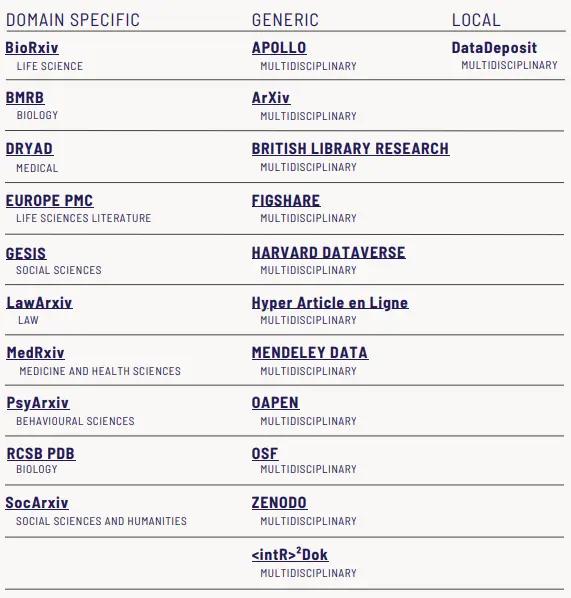
You can publish your research data by depositing it in a data repository. A data repository is a digital storage space where you can archive, document and publish data and other digital research objects.
When publishing your data, you will usually be asked to add metadata, which is information that describes your data and makes it easier to find and understand. You may also need to choose a data license, which explains how others are allowed to use your data. In many cases, your dataset will receive a DOI, which is a permanent identifier that makes it easier to find and cite.
Decision tool
Are you unsure if you are allowed to publish and license your research data? Go through this decision tool and find out.
FAQ
Need support?
If you need support with publishing research data, you are very welcome to contact CLAAUDIA.
Contact CLAAUDIA hereRead more about CLAAUDIA here